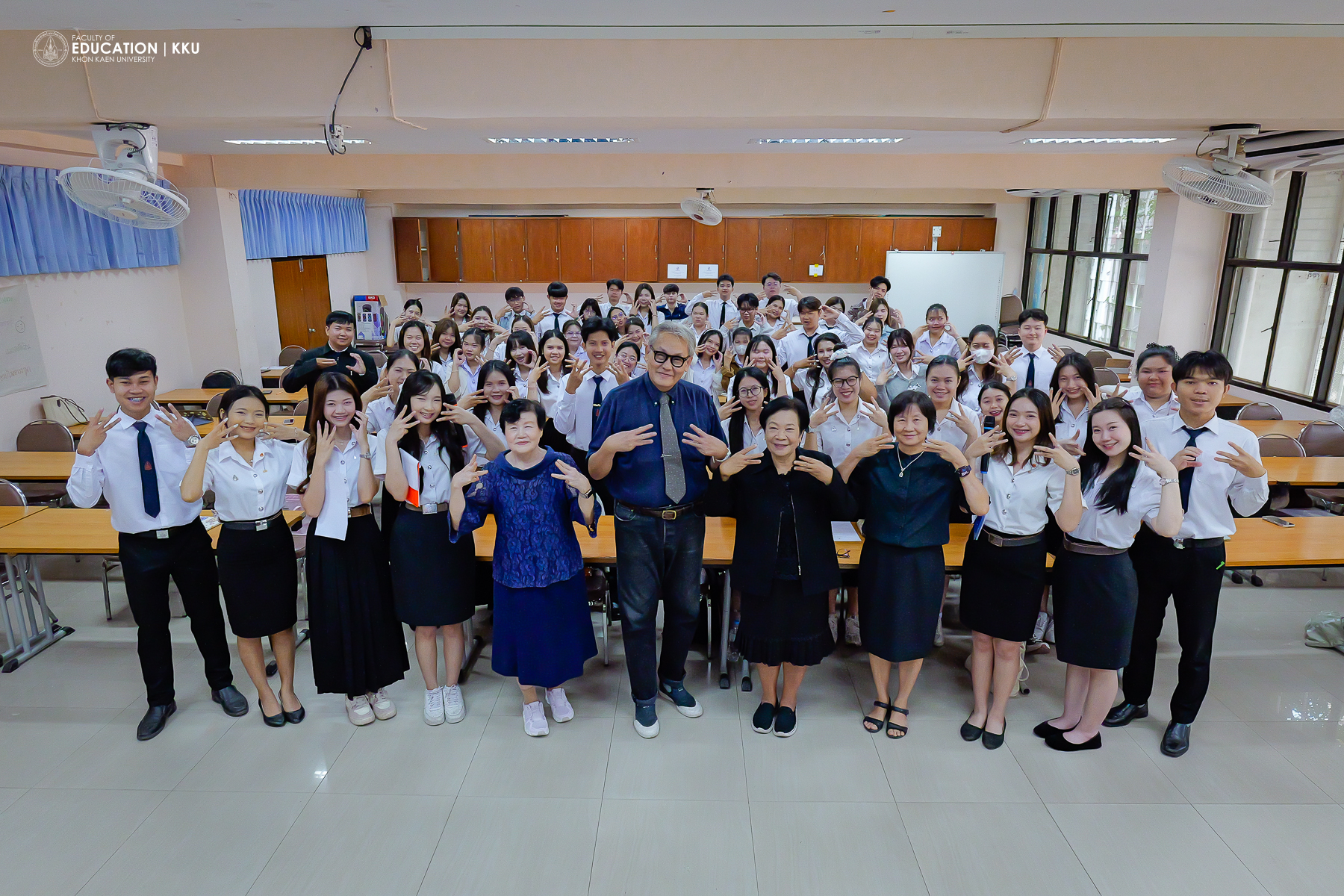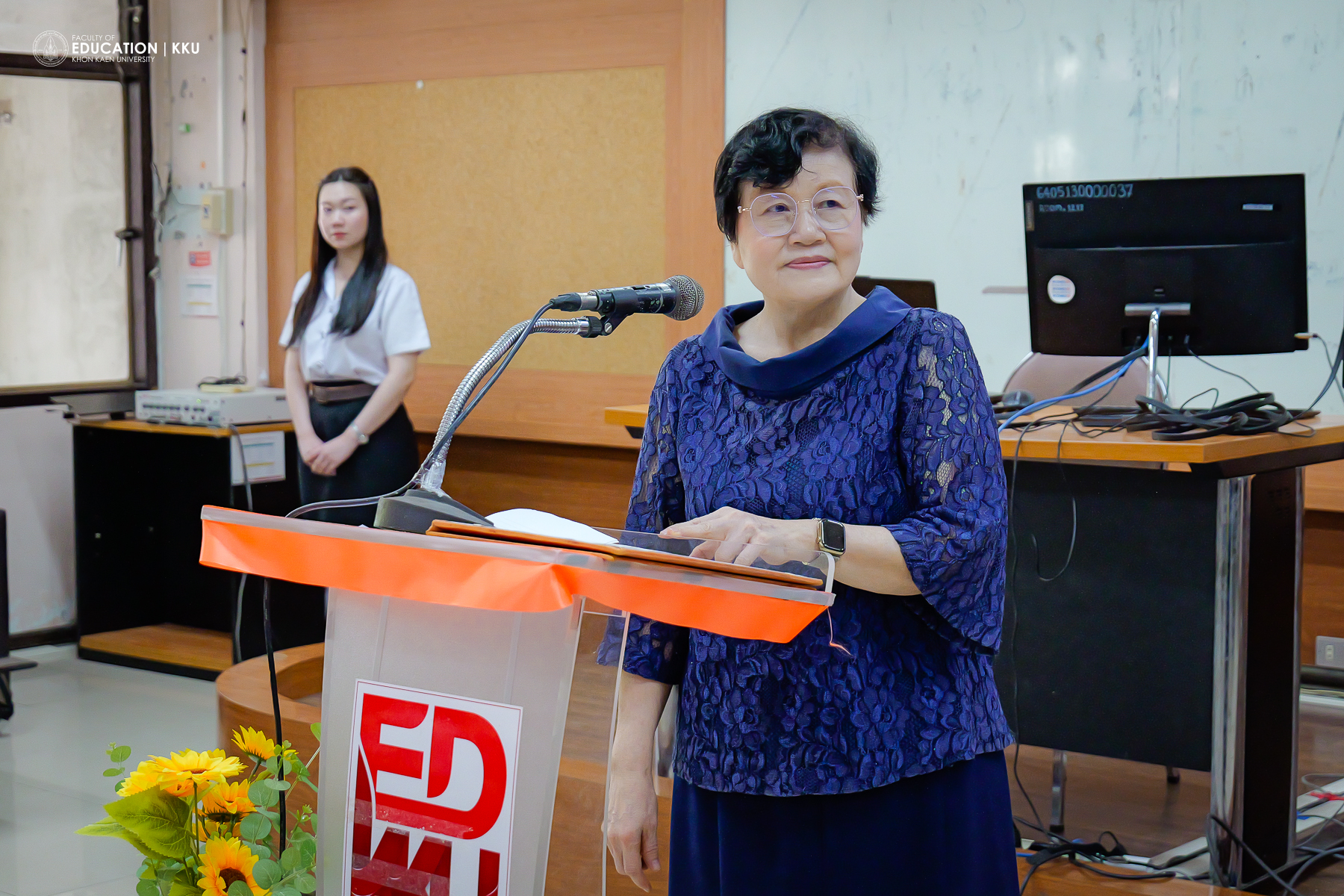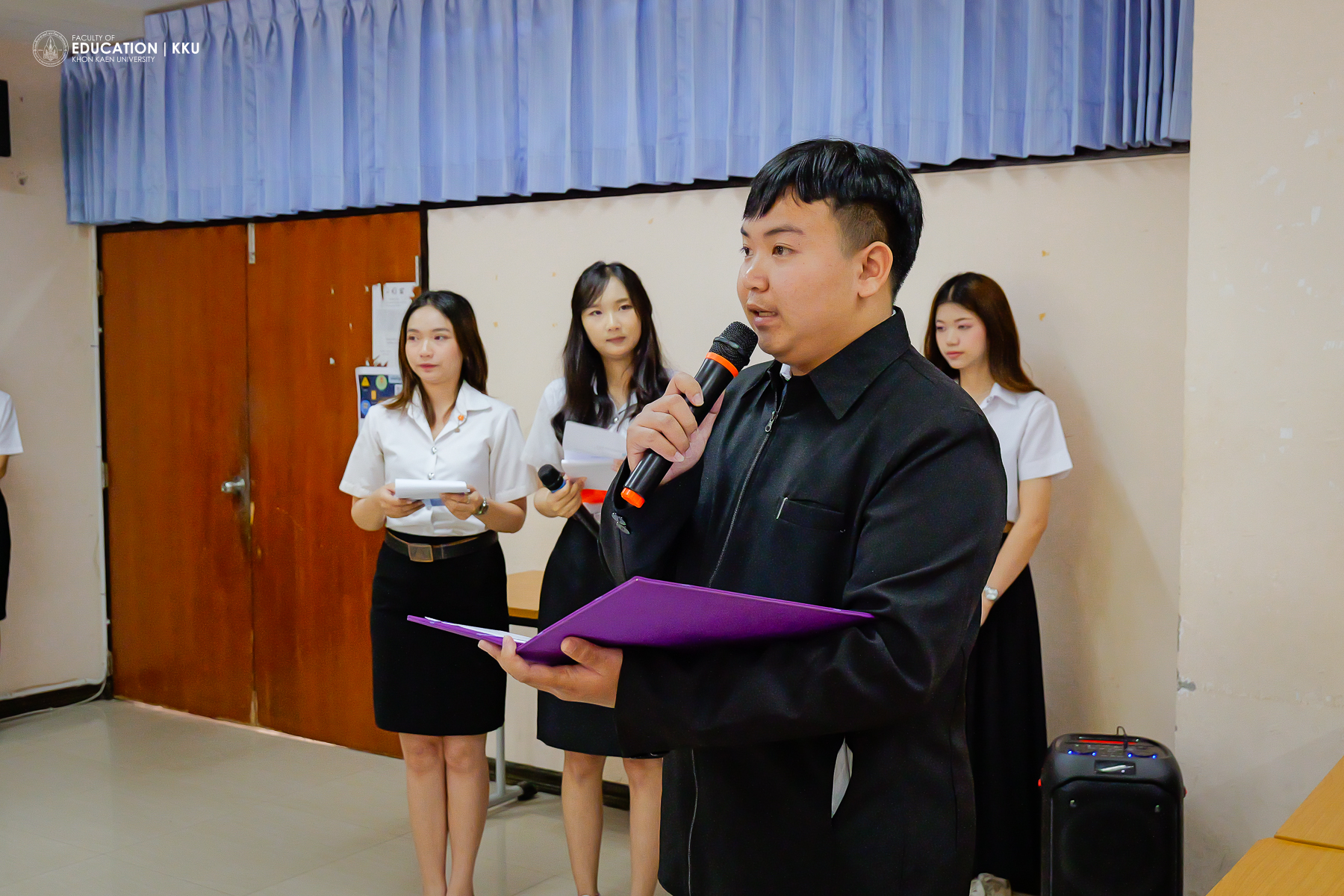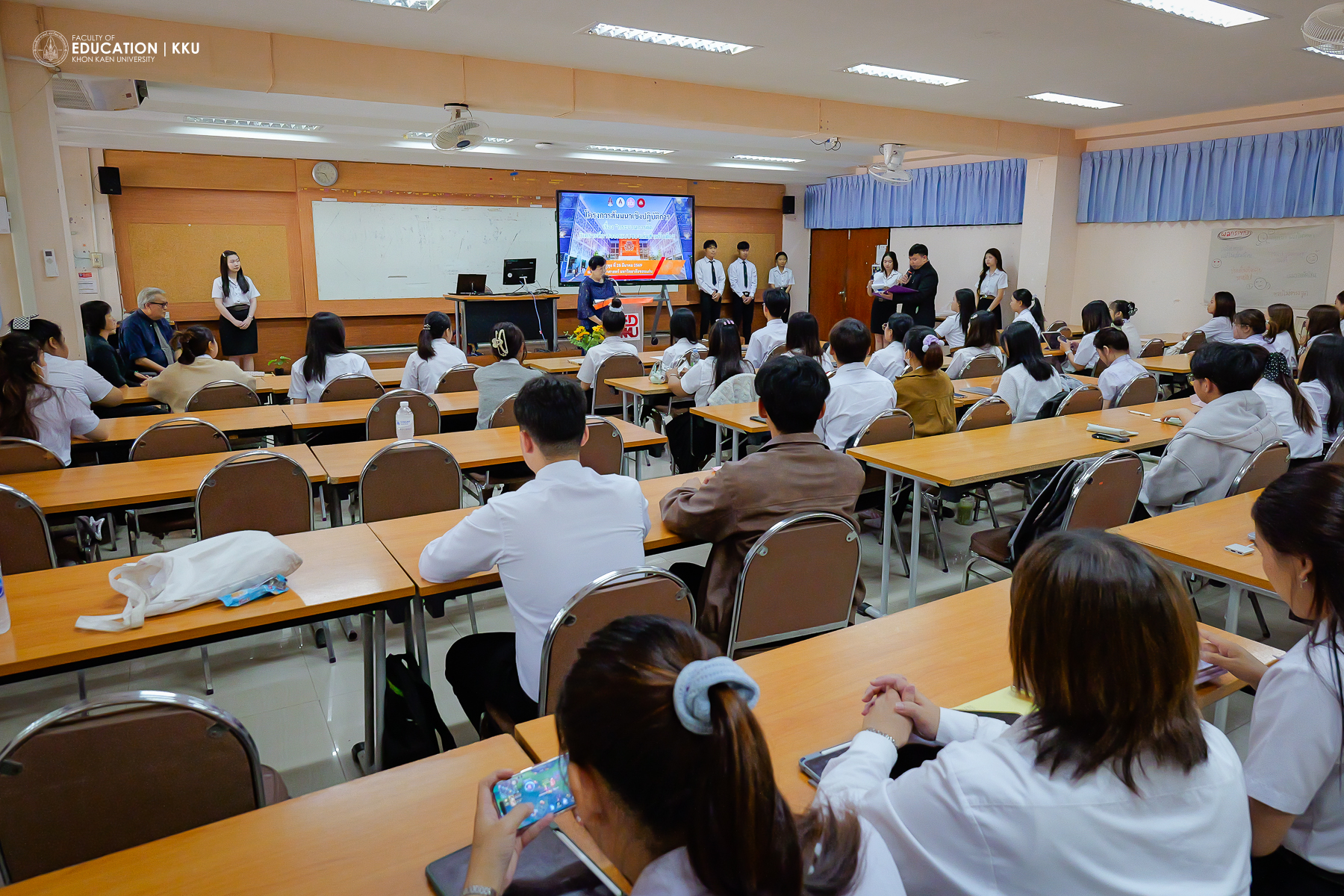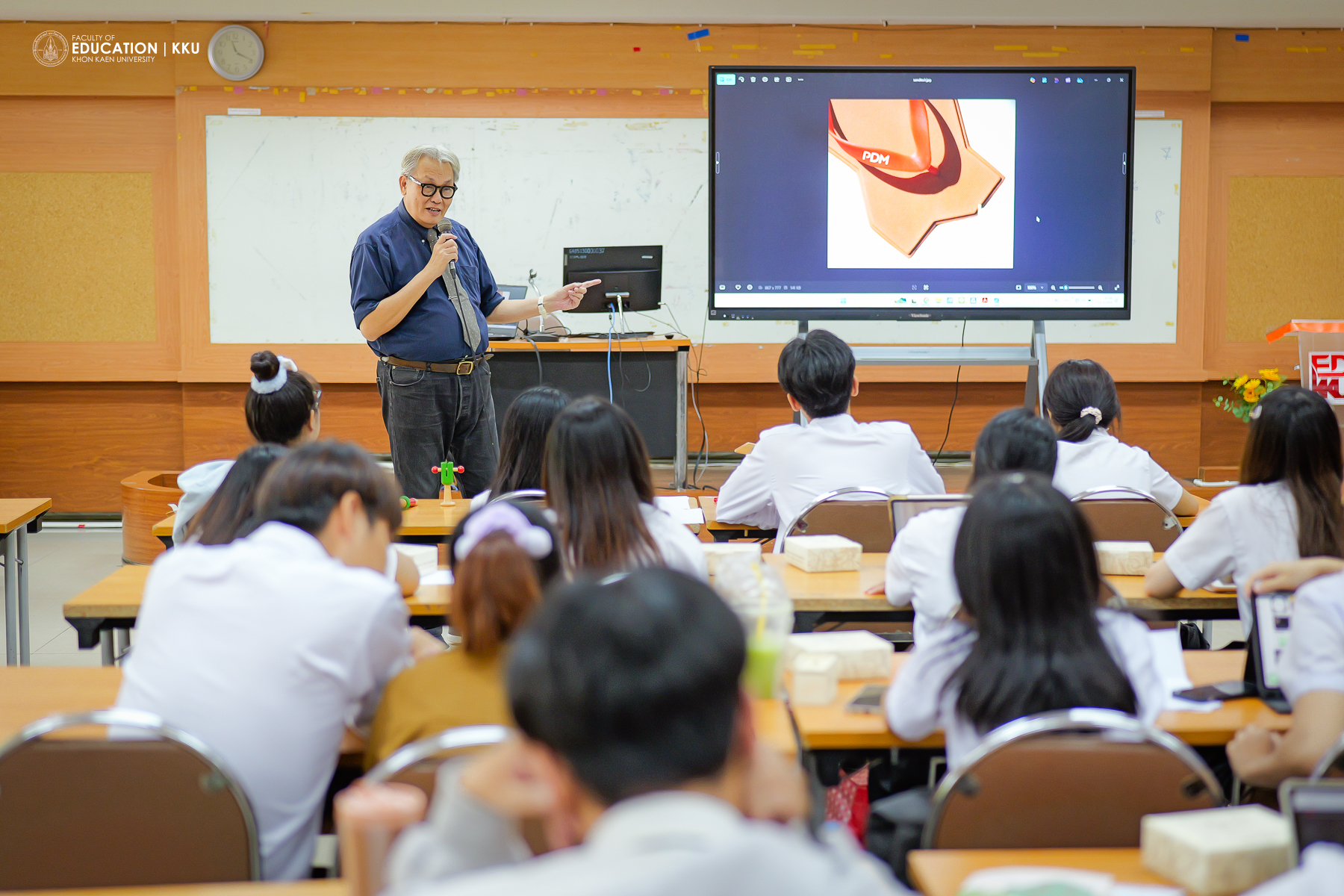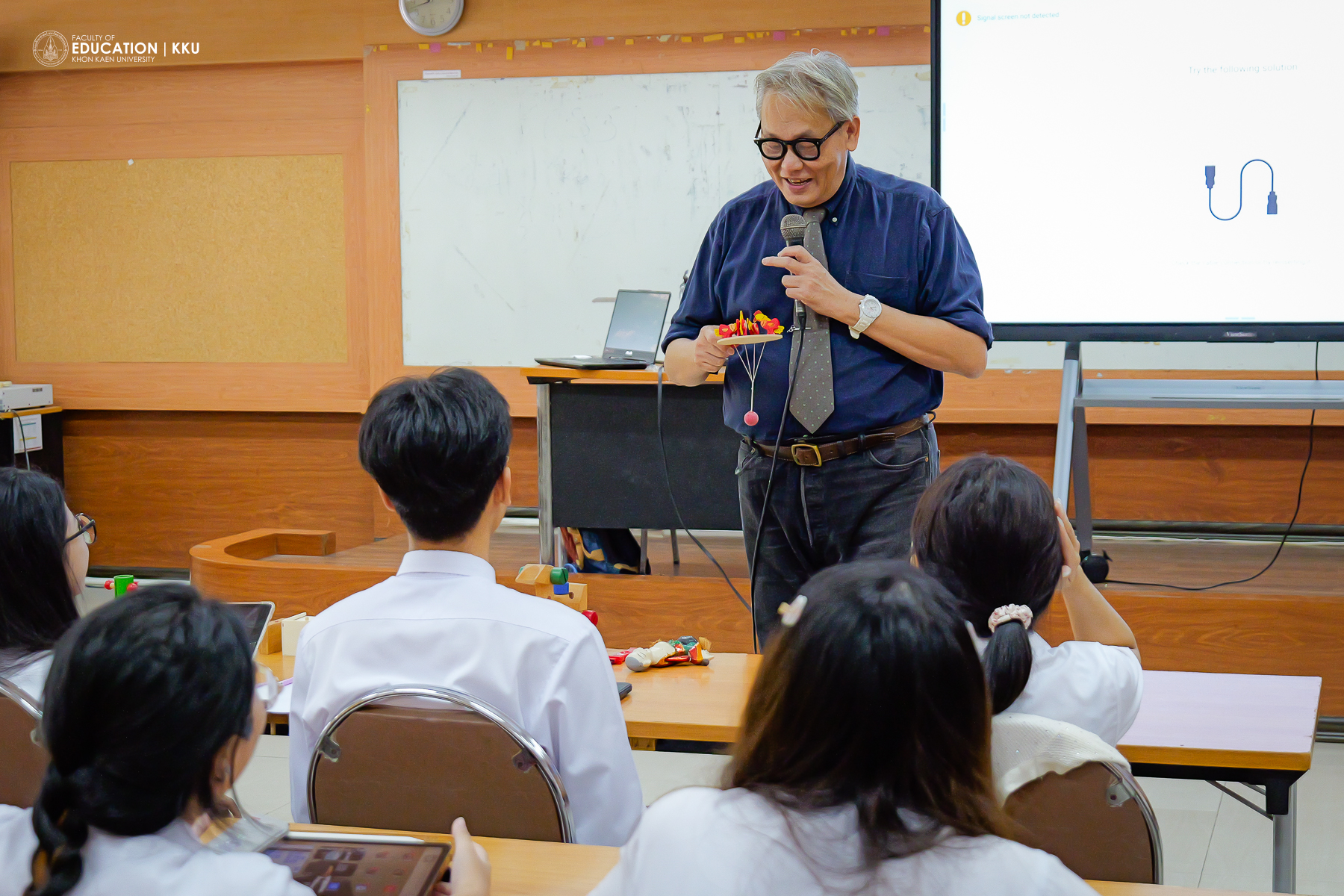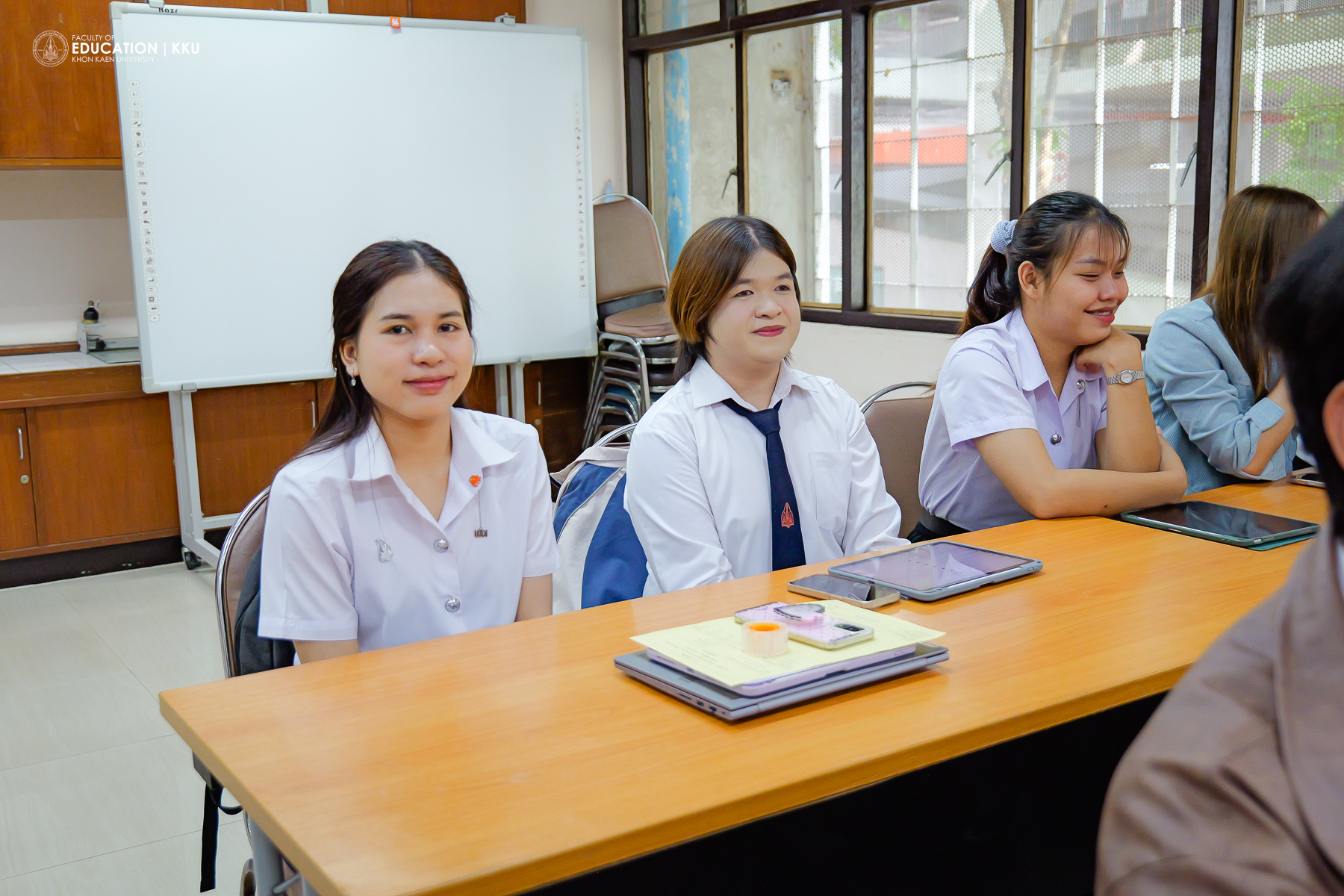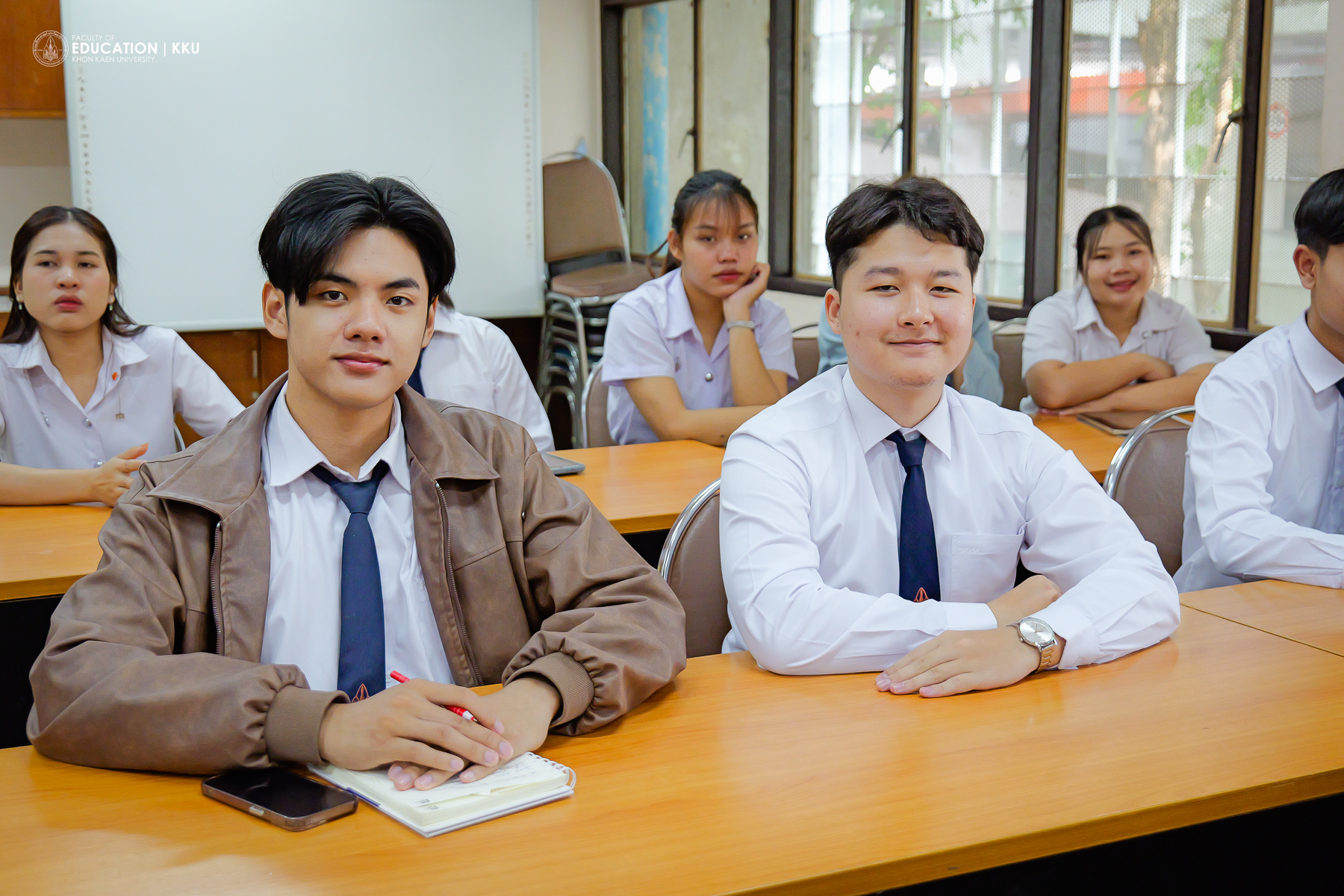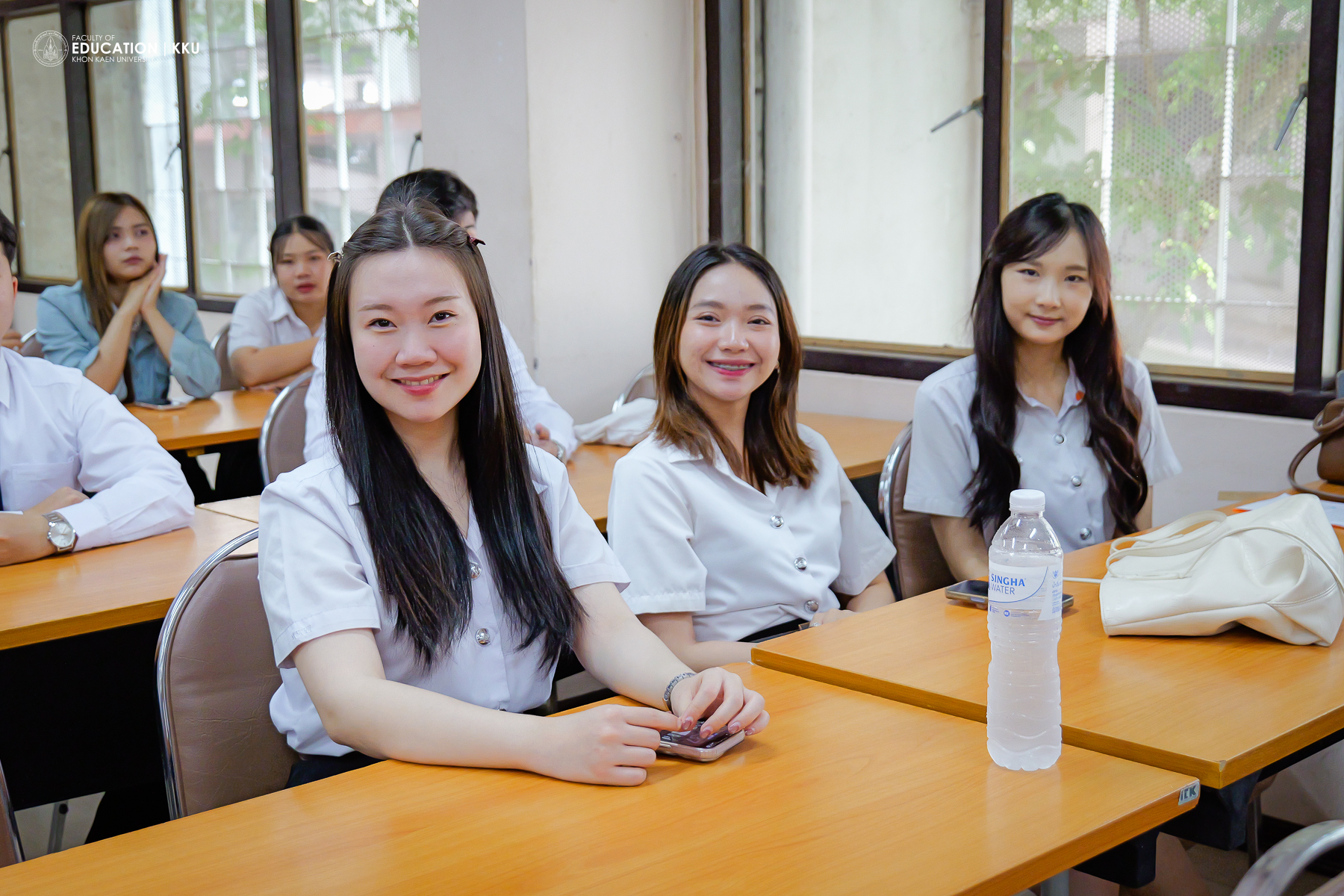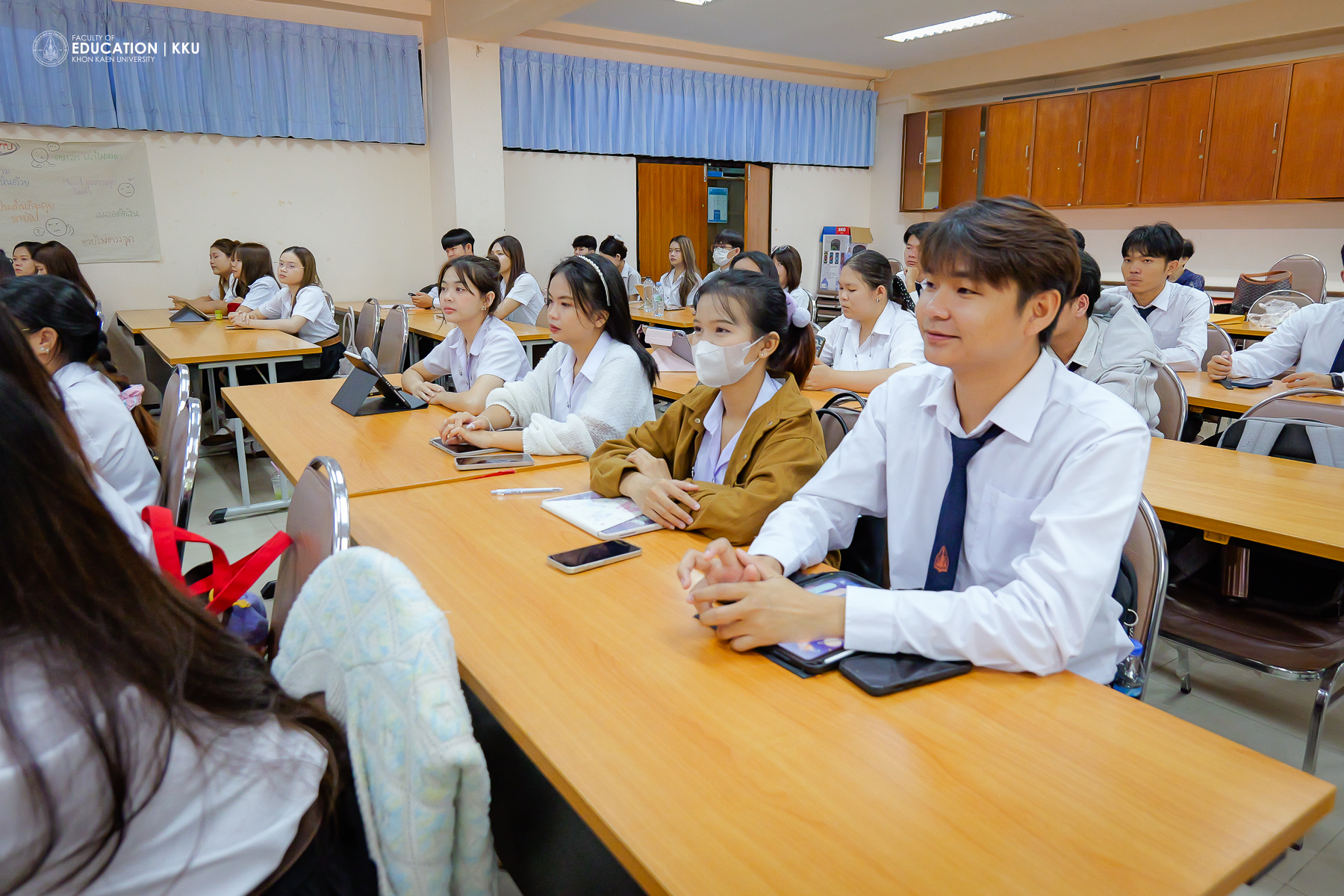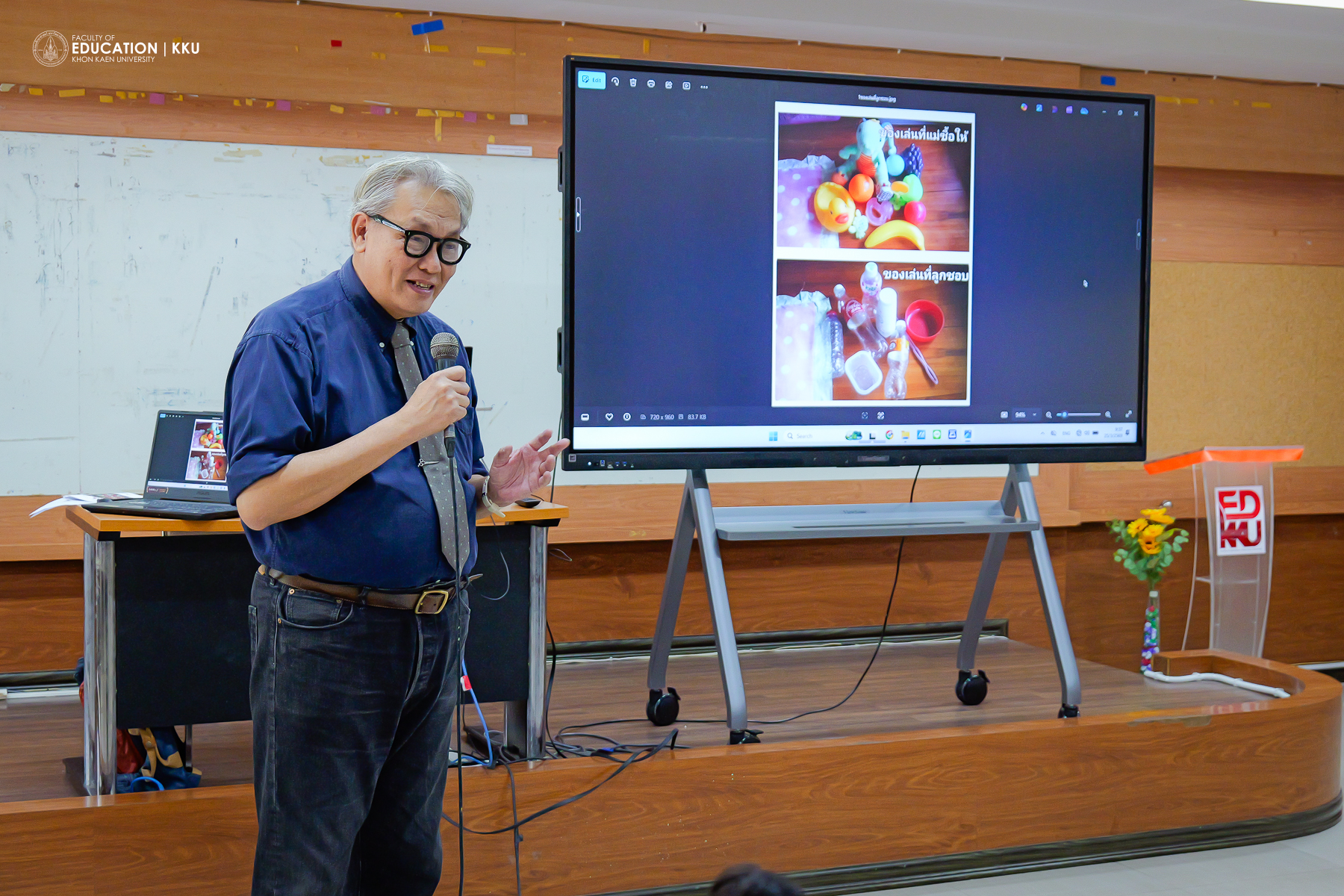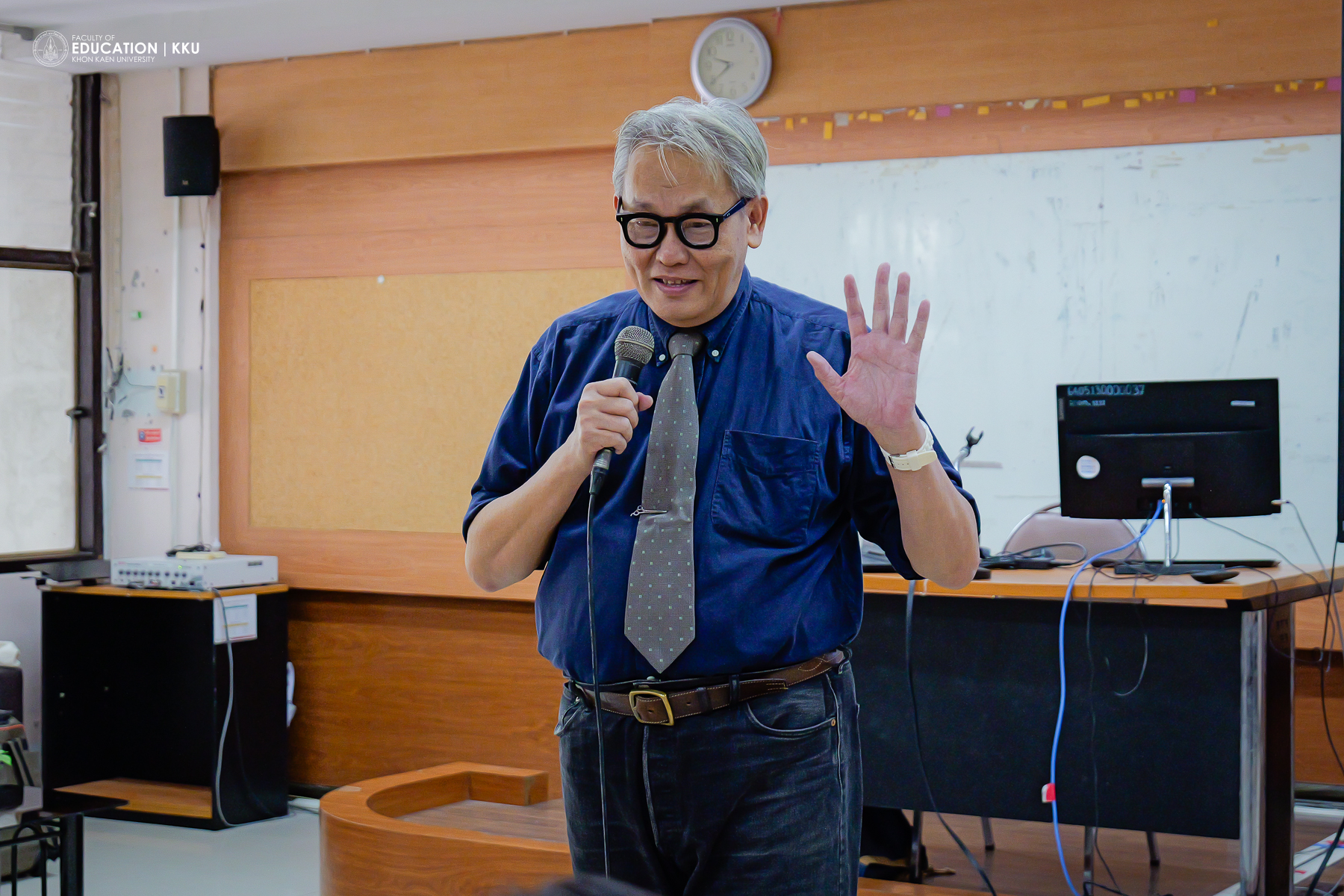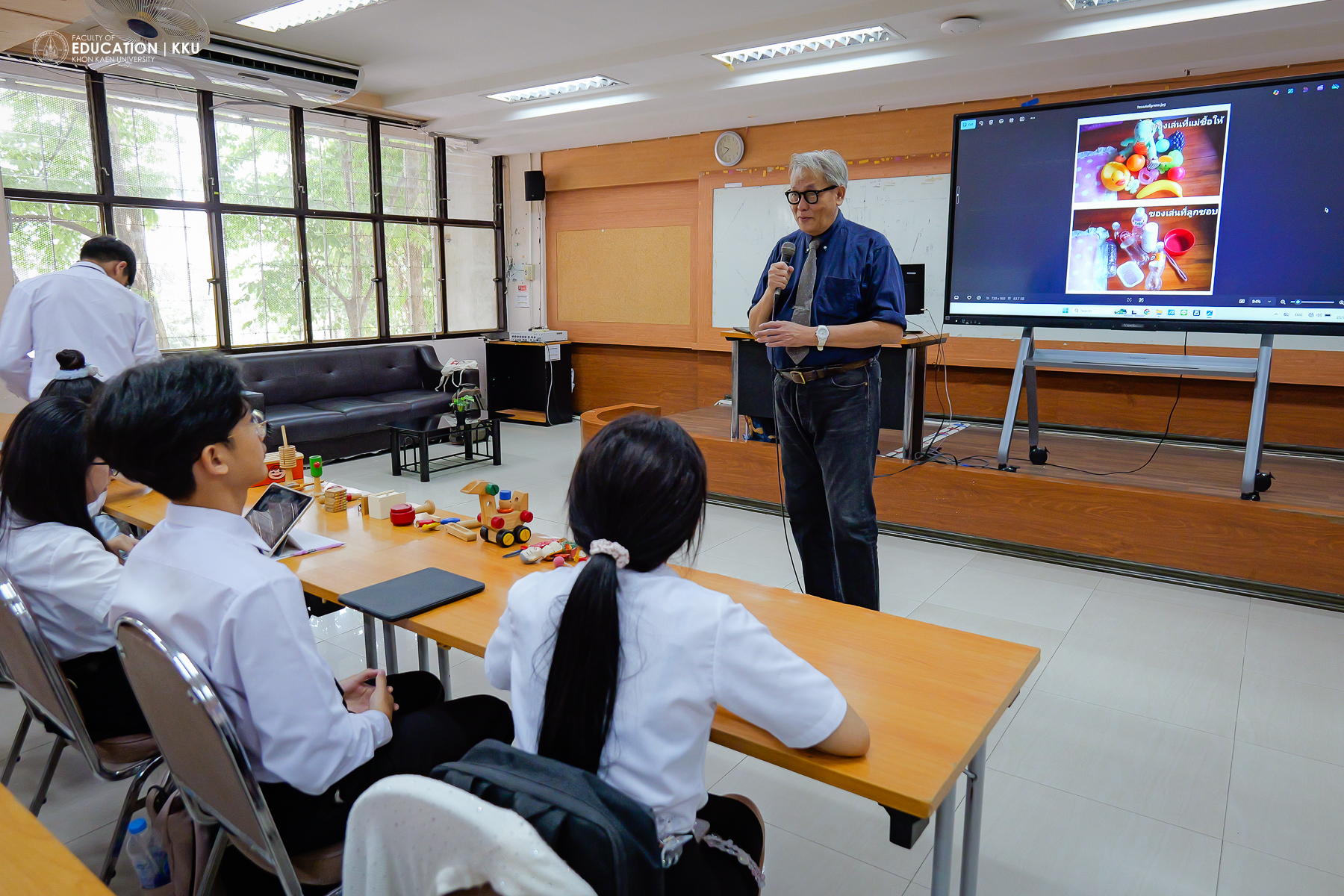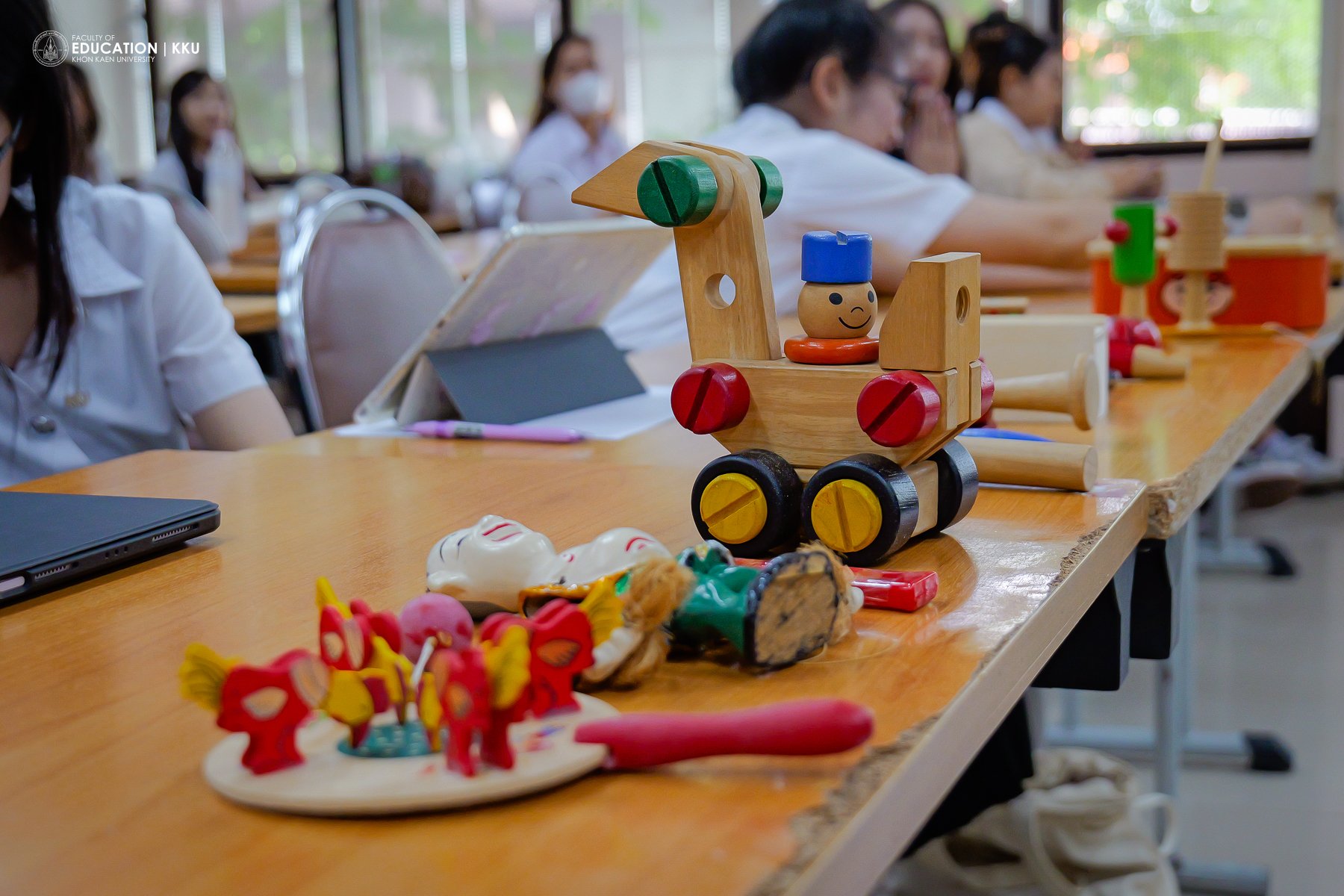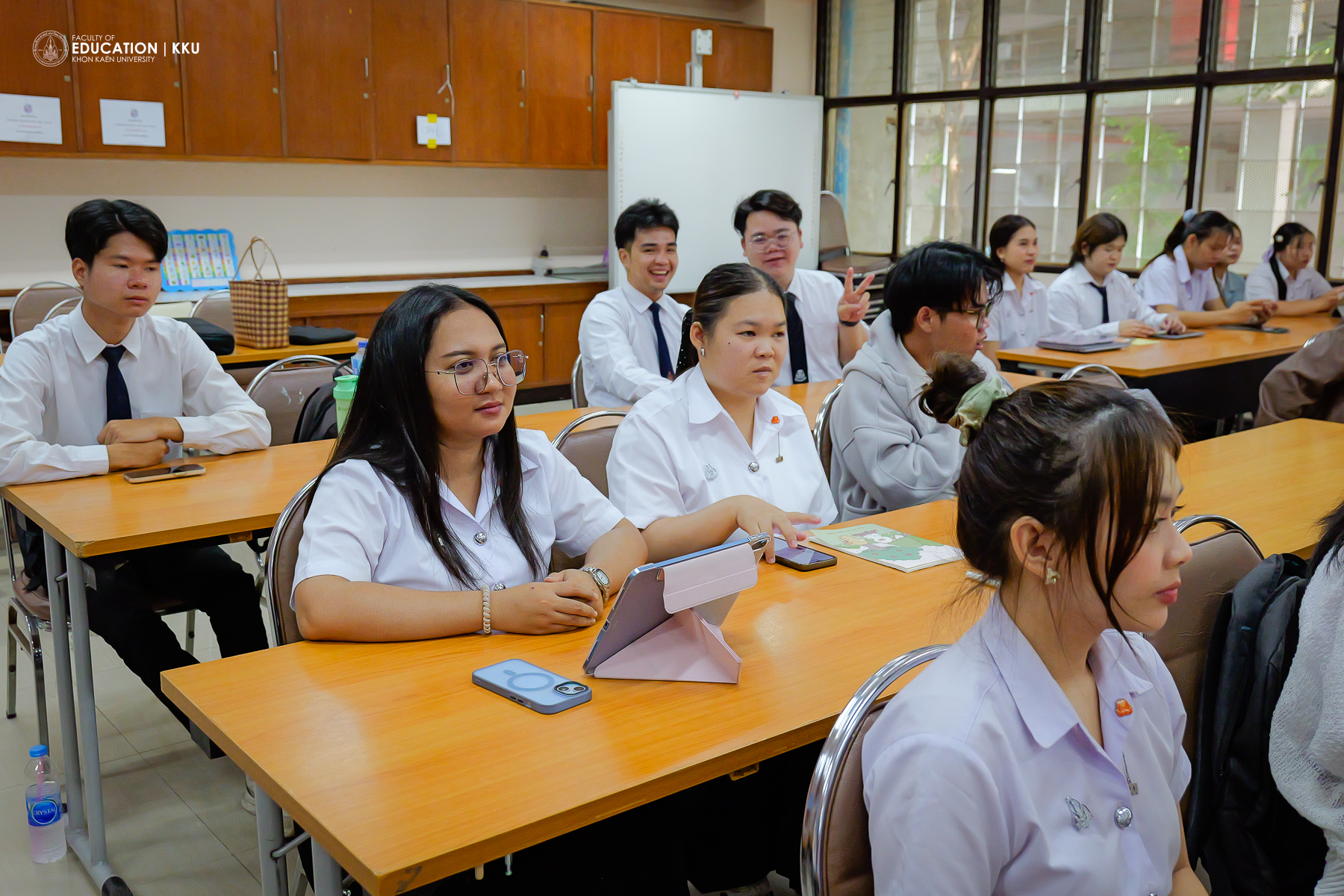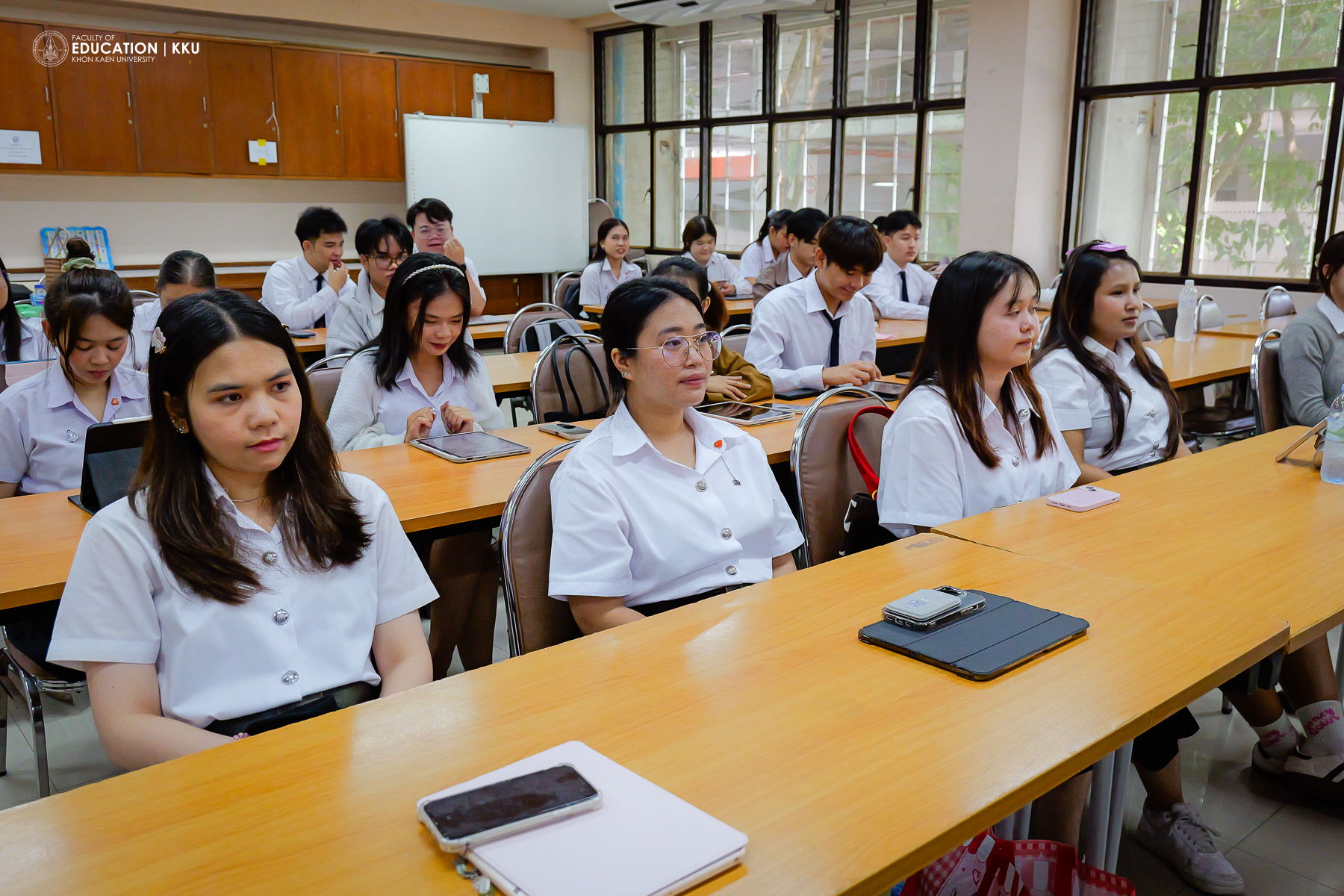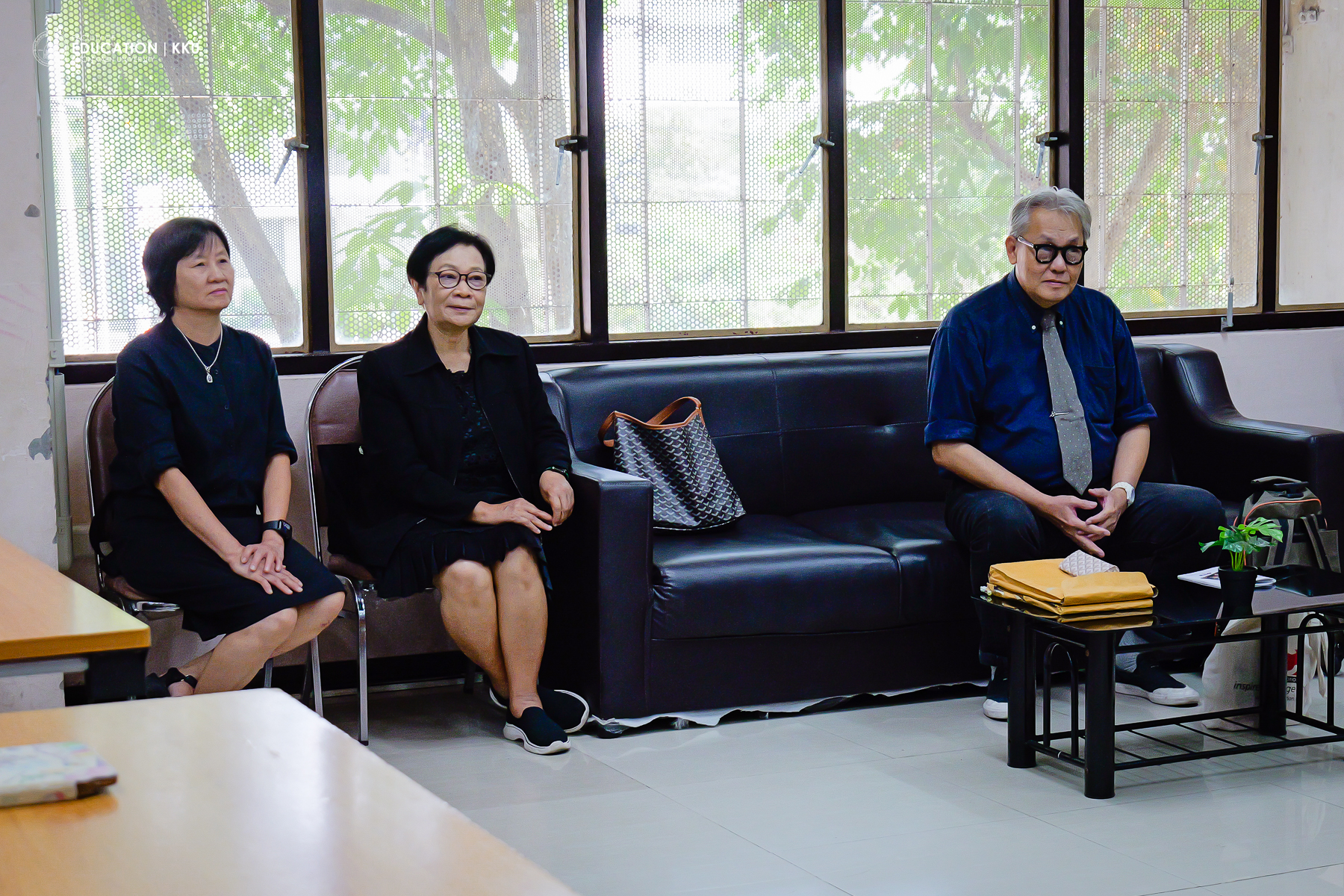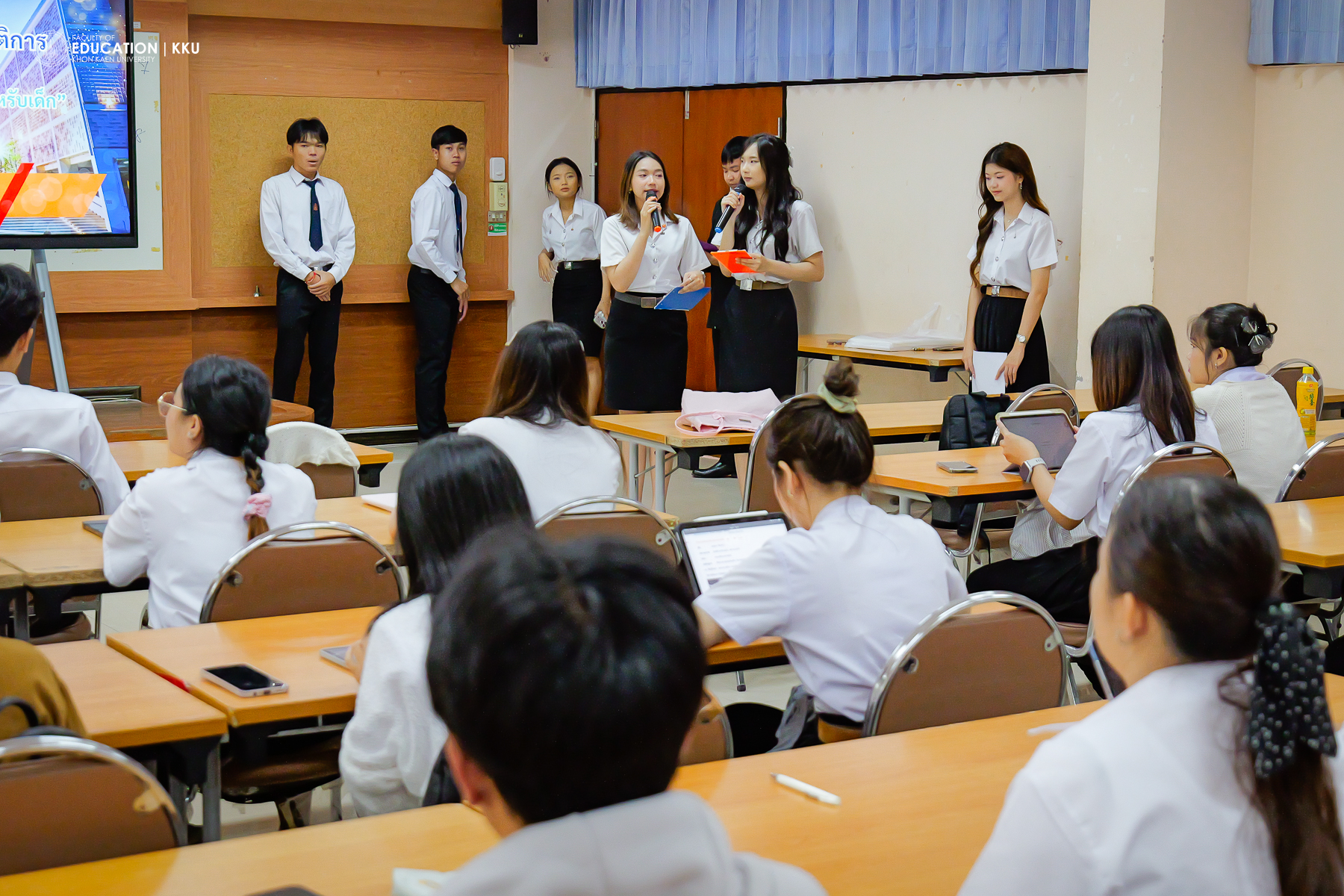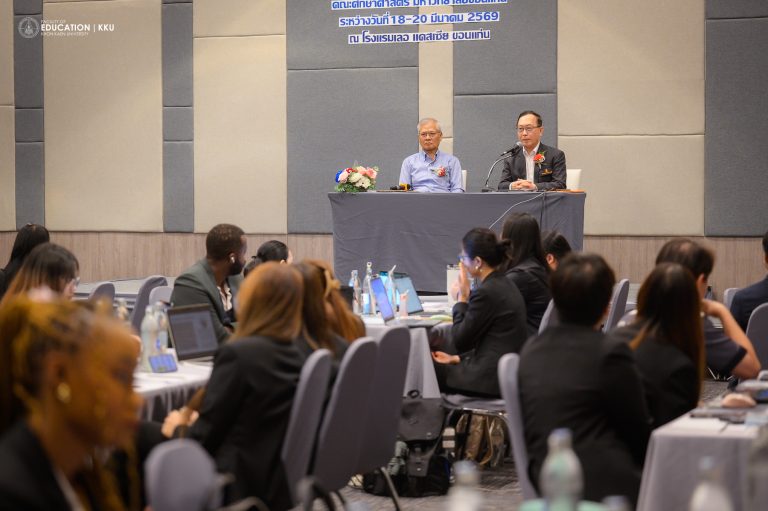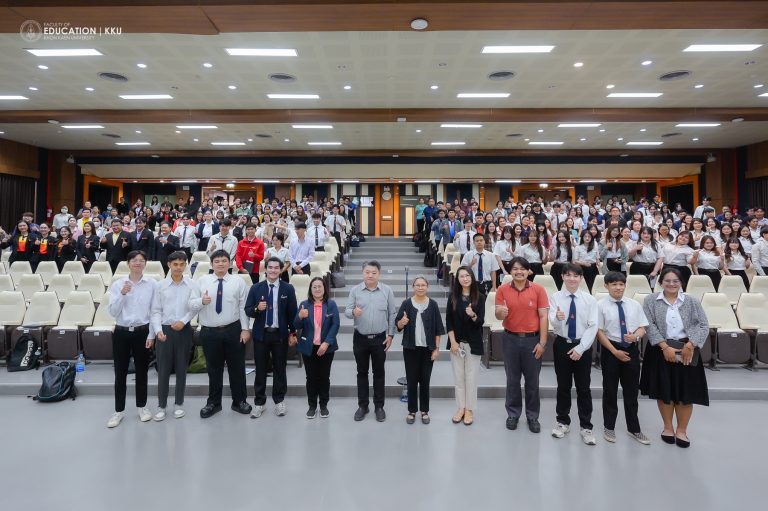
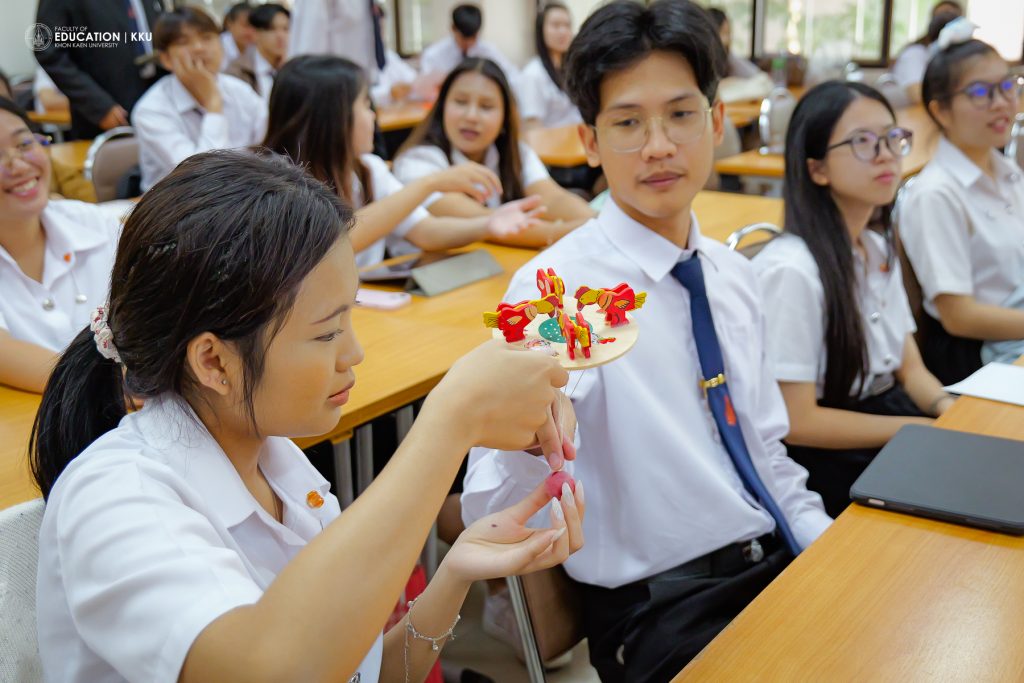
25 มีนาคม 2569 – สาขาวิชาการศึกษาปฐมวัยและประถมศึกษา จัดโครงการสัมมนาเชิงปฏิบัติการ เรื่อง “กระบวนการคิด วิเคราะห์การออกแบบของเล่นสำหรับเด็ก” ณ ห้อง ED1212 ชั้น 2 อาคารคณะศึกษาศาสตร์ โดยได้รับเกียรติจาก ศ.ดร.สุมาลี ชัยเจริญ ที่ปรึกษาคณบดีคณะศึกษาศาสตร์ และประธานหลักสูตรฯ เป็นประธานในพิธีเปิด พร้อมด้วย รศ.พรเทพ เลิศเทวศิริ คณะครุศาสตร์ จุฬาลงกรณ์มหาวิทยาลัย ให้เกียรติเป็นวิทยากรผู้เชี่ยวชาญถ่ายทอดองค์ความรู้แก่คณะครูและนักศึกษาจำนวน 58 คน
ศ.ดร. สุมาลี ชัยเจริญ กล่าวถึงความสำคัญของการจัดงานในครั้งนี้ว่า การเรียนรู้ผ่านการเล่น (Play-Based Learning) คือหัวใจสำคัญในการพัฒนาศักยภาพของเด็กทั้งด้านร่างกาย อารมณ์-จิตใจ สังคม และสติปัญญา การจัดสัมมนาครั้งนี้จึงเป็นก้าวสำคัญที่จะช่วยพลิกโฉมกระบวนการเรียนรู้ไปสู่การเรียนรู้เชิงรุก (Active Learning) โดยมุ่งหวังให้ผู้เข้าร่วมสัมมนานำความรู้ไปต่อยอดในการออกแบบและประดิษฐ์สื่อการเรียนรู้ โดยเฉพาะการนำวัสดุเหลือใช้หรือวัสดุในท้องถิ่นมาประยุกต์ใช้ให้เกิดประโยชน์สูงสุด ซึ่งนอกจากจะเป็นการช่วยลดต้นทุนแล้ว ยังเป็นการสร้างสรรค์สื่อที่เหมาะสมกับบริบทของผู้เรียน อันจะนำไปสู่การยกระดับคุณภาพการศึกษาของชาติอย่างยั่งยืน
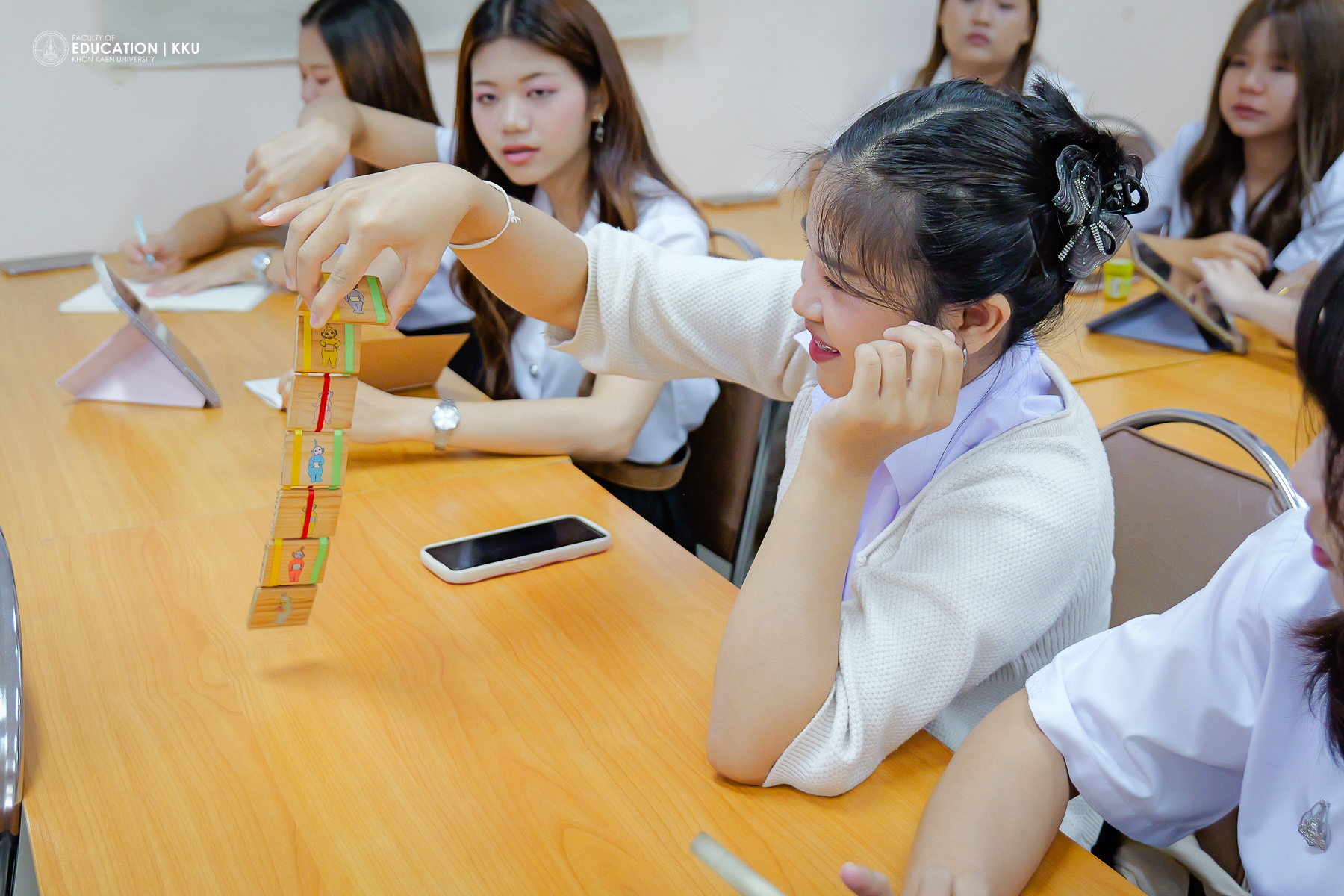
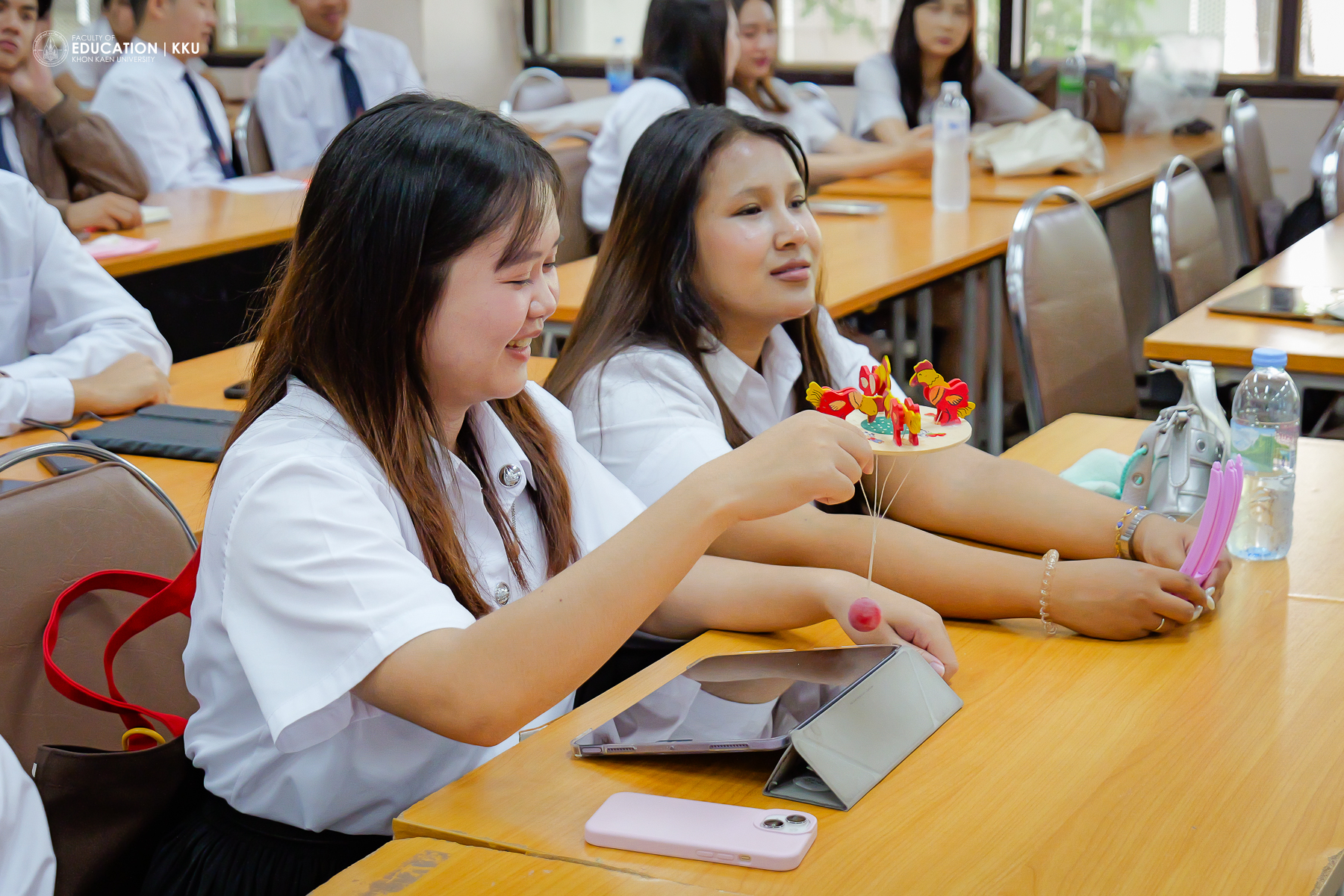
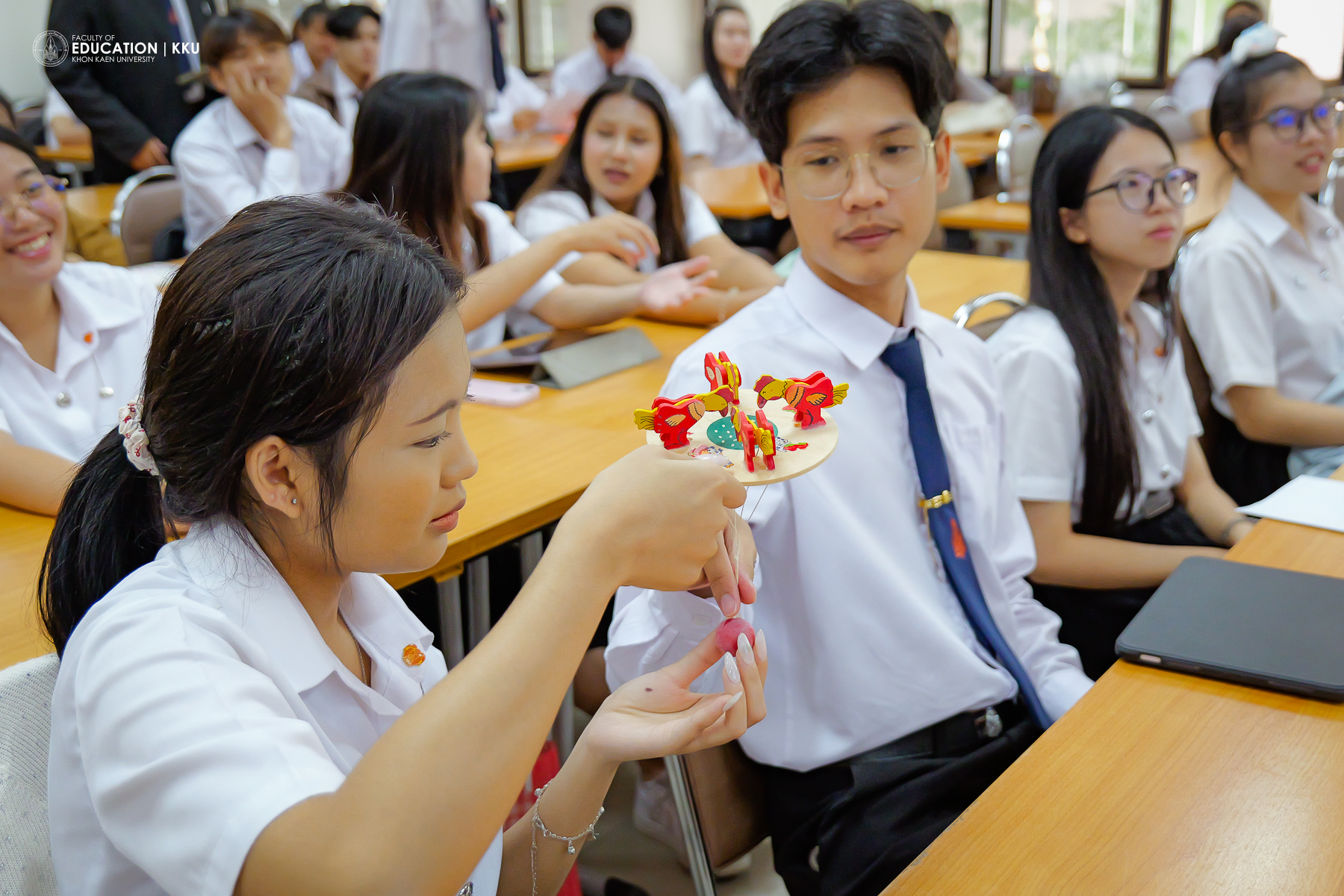
บรรยากาศภายในกิจกรรมเต็มไปด้วยการแลกเปลี่ยนเรียนรู้อย่างสร้างสรรค์ โดยเน้นการฝึกปฏิบัติ เพื่อให้ผู้เข้าร่วมมีความรู้ความเข้าใจในหลักการออกแบบของเล่นที่สอดคล้องกับพัฒนาการตามช่วงวัยของเด็ก โดยมีวัตถุประสงค์หลักเพื่อส่งเสริมความสามารถในการออกแบบและประดิษฐ์ของเล่นสำหรับเด็กปฐมวัยและประถมศึกษา รวมถึงศึกษาความพึงพอใจของผู้เข้าร่วมเพื่อนำไปพัฒนากิจกรรมในลำดับต่อไป
กิจกรรมในครั้งนี้ไม่เพียงแต่เป็นการพัฒนาทักษะวิชาชีพให้แก่คณาจารย์และนักศึกษาครู แต่ยังสะท้อนถึงวิสัยทัศน์ในการเป็นสถาบันชั้นนำที่มุ่งเน้นนวัตกรรมการศึกษาเพื่อการพัฒนาที่ยั่งยืน เพื่อบ่มเพาะนวัตกรทางการศึกษาที่มีสมรรถนะในการสร้างสรรค์สื่อการเรียนรู้ที่ทรงพลังและเข้าถึงได้ง่าย อันเป็นรากฐานสำคัญในการลดความเหลื่อมล้ำทางการศึกษาและสร้างสังคมแห่งการเรียนรู้ตลอดชีวิต
ED KKU Enhances Early Childhood and Primary Education with “Toy Design for Children” Seminar, Aiming to Create Innovative Media from Local Materials.
March 25, 2026 – The Early Childhood and Elementary Education Program organized a workshop seminar titled “Thinking Processes and Analysis in Toy Design for Children” at Room ED1212, 2nd Floor, Faculty of Education Building. The opening ceremony was presided over by Prof. Dr. Sumalee Chaijaroen, Consultant to the Dean of the Faculty of Education and Program Chair. Assoc. Prof. Pornthep Lerttevasiri from the Faculty of Education, Chulalongkorn University, served as the guest expert, sharing specialized knowledge with 58 faculty members and students.
Prof. Dr. Sumalee Chaijaroen highlighted the significance of the event, stating that Play-Based Learning is the cornerstone of developing a child’s physical, emotional, social, and intellectual potential. This seminar is a vital step in transforming educational processes toward Active Learning. The goal is for participants to apply their knowledge to design and invent instructional media, particularly by repurposing waste or local materials. This approach not only reduces costs but also creates media that is highly relevant to the learners’ context, ultimately leading to the sustainable improvement of national education quality.
The atmosphere of the activity was filled with creative exchange and focused on hands-on practice. This ensured that participants gained a deep understanding of toy design principles aligned with children’s developmental stages. The primary objectives were to enhance the ability to design and create toys for early childhood and primary education and to study participant satisfaction to further develop future activities.
This initiative not only develops professional skills for faculty and pre-service teachers but also reflects the vision of being a leading institution focused on educational innovation for sustainable development. It aims to nurture educational innovators capable of creating powerful, accessible learning media—a fundamental step in reducing educational inequality and building a society of lifelong learning.